
Custom HealthTech Software Development for Clinical Systems
We build custom telehealth apps, clinical portals, and digital healthcare platforms designed from the ground up around patient privacy, medical record integrations, and strict industry compliance rules.
Clients that have trusted us over the years











Interact With Your Product Roadmap — Not With Endless Meetings
No matter it's a day or night, there are responses to my inquiries and resolves my concerns in less than an hour.

He Wang
Founder at Cashbackist, Inc.
The Recurring Problems in HealthTech Platforms
These show up across EHR-adjacent platforms, clinical tools, and medical device software alike.
EHR Integration Built for One Vendor
An integration built against one EHR vendor’s specific implementation often breaks against the next hospital system’s configuration. Building to the HL7 FHIR standard properly, not one vendor’s interpretation of it, is what actually scales across health systems.
Clinical Rules Living Outside the System
Decision support logic maintained in a spreadsheet separate from the clinical workflow tool means it is rarely actually used at the point of care. Rules engines embedded directly in the clinician’s workflow are what make decision support genuinely useful.
Audit Trails That Exist but Cannot Be Reconstructed Quickly
Access logs scattered across systems technically exist but take real time to assemble into a coherent trail during an investigation or audit. Structured, centralised access logging makes reconstructing who accessed what, and when, a query rather than a project.
Medical Device Data in Incompatible Formats
Device data arriving in proprietary or inconsistent formats from different manufacturers is hard to integrate into a unified patient record. A normalisation layer mapping device output to a common clinical data model closes that gap.
Insurance Claims Processing Partly Manual
A claims process with manual steps between systems slows reimbursement and introduces real error risk. End-to-end automated claims workflows, validated against payer rules before submission, reduce both delay and rejection rates.
PHI Access Not Scoped to Actual Need
Broad access to protected health information, granted for convenience rather than actual clinical need, is a real HIPAA risk waiting to surface. Role- and context-based access scoping limits exposure to what a given user genuinely needs at that moment.
HealthTech Businesses We Work With
Clinical software, medical devices, and insurance-adjacent platforms all touch patient data but need very different systems.
Clinical Software Vendors
EHR-adjacent tools and clinical workflow software where accurate, standards-based integration is the core requirement.
- •HL7 FHIR-based integration
- •Clinical workflow embedding
Medical Device Manufacturers
Connected device platforms where data normalisation and regulatory compliance both carry real weight.
- •Device data normalisation
- •Regulatory compliance support
Health Insurance and Payer Platforms
Claims processing and eligibility systems where automation accuracy directly affects reimbursement speed.
- •Automated claims validation
- •Payer rule engine integration
Hospital and Health System IT
Internal tools and integrations that need to work across a health system’s existing EHR and clinical infrastructure.
- •Multi-vendor EHR compatibility
- •HIPAA-compliant access control
Digital Health Startups
New clinical or patient-facing products that need to be built compliant from the first release, not retrofitted later.
- •Compliance-first architecture
- •Rapid, audited MVP delivery
Technical Choices That Keep HealthTech Platforms Compliant
Most of these exist because clinical data is regulated, safety-critical, and needs to interoperate across many different health systems.
Standards-Based FHIR Integration
Integration is built to the HL7 FHIR standard itself, not one EHR vendor’s specific implementation, so it scales across health systems rather than breaking on the second one.
Embedded Clinical Decision Support
Rules engines sit directly inside the clinical workflow, so decision support is actually used at the point of care, not maintained separately where nobody sees it.
Centralised, Structured Access Logging
Every PHI access is logged in one structured system, turning an audit trail reconstruction into a query rather than a multi-day investigation.
Medical Device Data Normalisation
Device output from different manufacturers is mapped to a common clinical data model, so integrating a new device type does not require a bespoke build.
Role and Context-Based Access Scoping
Access to protected health information is scoped to what a given user genuinely needs in that specific context, not granted broadly for convenience.
Automated Claims Validation
Claims are validated against payer rules before submission, reducing rejection rates and the delay that comes from manual correction cycles.
HealthTech Software Development Services We Deliver
For clinical software vendors, medical device manufacturers, and payer platforms, our custom healthtech software development is built to a compliance standard from the first sprint.
EHR and EMR Integration
HL7 FHIR-based integration built to the standard itself, so it holds up across multiple EHR vendors and health systems.
Clinical Decision Support Tools
Rules engines embedded directly in clinical workflow software, making decision support something clinicians actually encounter and use.
Medical Device Data Platforms
Normalisation layers connecting device telemetry from multiple manufacturers into one unified, structured patient record.
HIPAA-Compliant Access and Audit Systems
Centralised access logging and role-based scoping built into the architecture, not added before a compliance review.
Claims and Payer Integration
Automated claims validation against payer rules, reducing rejection rates and reimbursement delays.
Digital Health Product Development
Full-cycle development for clinical and patient-facing digital health products, compliant from the first release.
What Working With Us Looks Like
Standards-based interoperability and PHI access control decide whether a healthtech platform actually works across real health systems, not just in a clean demo environment.
We Build to the Standard, Not One Vendor
FHIR integration is built against the standard itself, so it holds up when your second health system partner has a different EHR configuration than your first.
PHI Access Is Scoped, Not Broad
Access control is designed around actual clinical need in context, not granted broadly for convenience and tightened only after an incident.
AI Speeds Up Integration Work, People Own the Clinical Logic
Integration and reporting work moves considerably faster with AI involved. Clinical decision logic and PHI access get a separate, human sign-off before deployment, since patient safety and privacy live in exactly those two places.
We Design for Real Audit Scenarios
Access logging is structured so an actual audit request can be answered in minutes, not assembled from scattered logs under time pressure.
Designed With Clinicians and Compliance Teams
Clinical and compliance staff live with the current system’s gaps every day and have already built their own way around each one. We ask them directly rather than reverse-engineering the problem from outside.
Migration Reconciled Against Clinical Records
Patient data migration is verified field by field against the original clinical record, not waved through just because the record count matched.
Secure, high-speed products built for business growth
Our software is engineered for speed, security and scalability — delivering dependable performance for businesses of every size.
What Our Clients Say
Hear directly from the people who’ve partnered with us to bring their ideas and digital products to life.
No matter it’s a day or night, there are responses to my inquiries and resolves my concerns in less than an hour.

He Wang
Founder at Cashbackist, Inc.
Best thing about EnactOn is they have all under-one-roof solution for end-to-end business requirements.

Tej Prakash
Founder at AdGaem
We appreciate their attention to detail and creative approach in bringing our new exhibit to life online.

Y Sreekanth
Founder at Cashkart365
EnactOn provided me with a more comprehensive proposal than I asked for, which helped me proceed smoothly with development.

Tejas Ahobala
Founder at Khareedhi
All my worries and thinking turned in positive ways when I came across an expert team of EnactOn technologies.

Aaksh Soni
Founder at DealNo1
The technical approach to a solution has been their core strength. Overall domain and business expertise is truly remarkable.

Quartzobr
Founder at Kahle.com.br
Real Results from Real Companies
Explore how we turn complex business challenges into scalable digital products that deliver measurable results.
 Switzerland
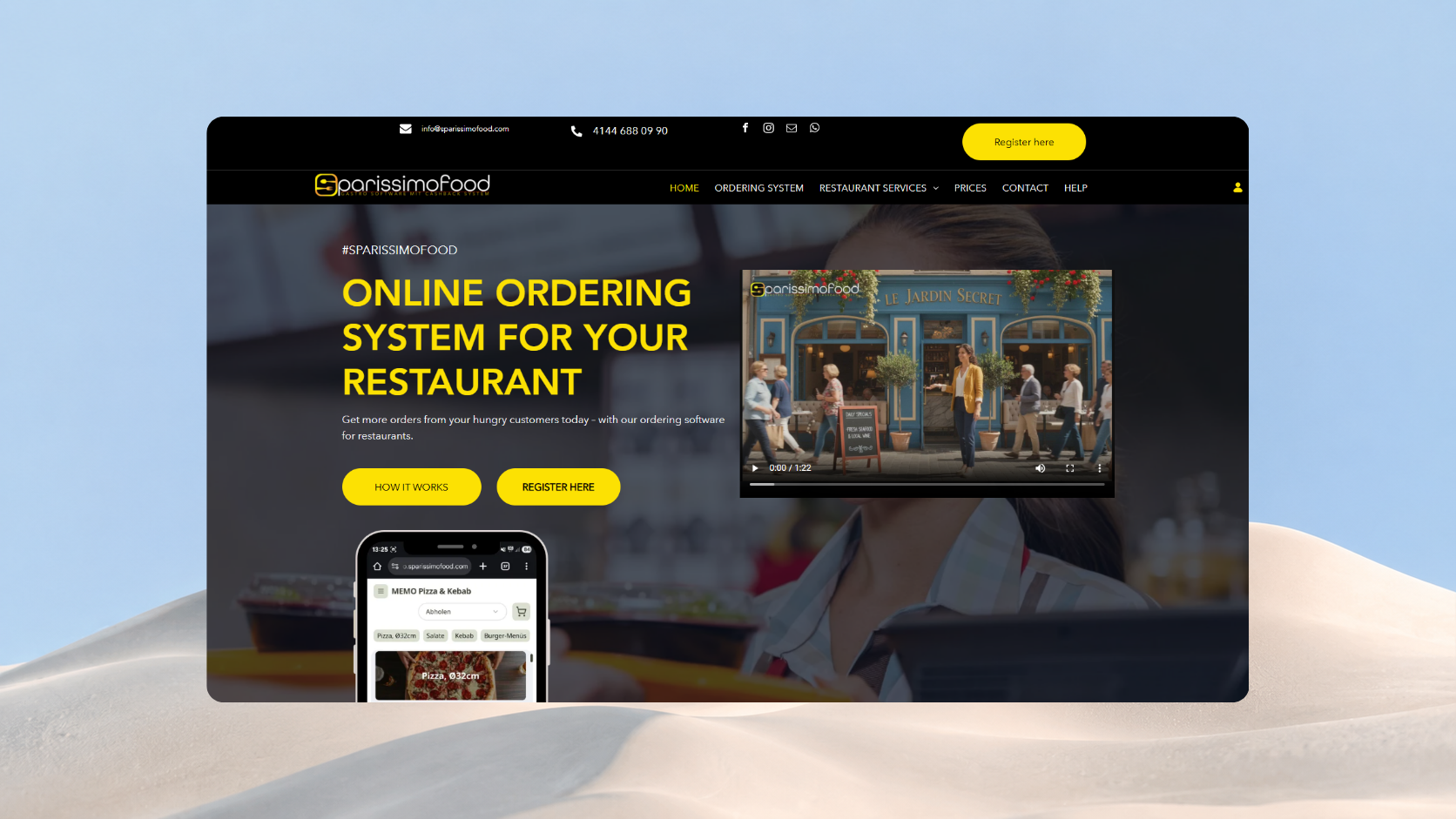
How We Built SparissimoFood — An Online Food Ordering System for 400+ Restaurants

“In just 2 months we onboarded over 400 restaurants. EnactOn built a platform that scaled instantly and reduced our support load by 60%.”

 Switzerland
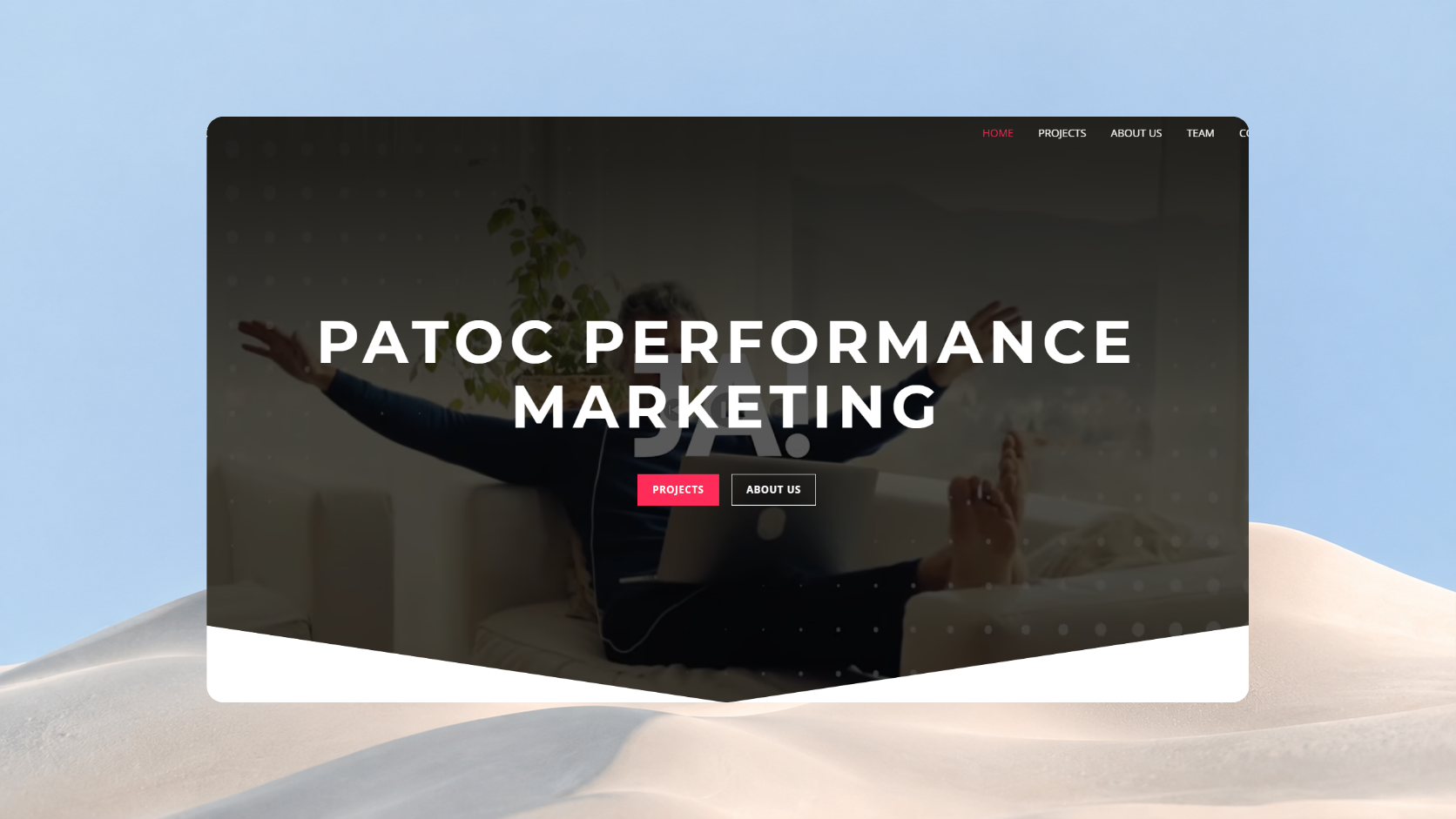
Patoc — Advertiser Management Software That Runs Black Friday at 99.9% Campaign Accuracy
“The automated campaign system eliminated our entire seasonal hiring burden and delivered 99.9% accuracy across every Black Friday campaign.”

 India
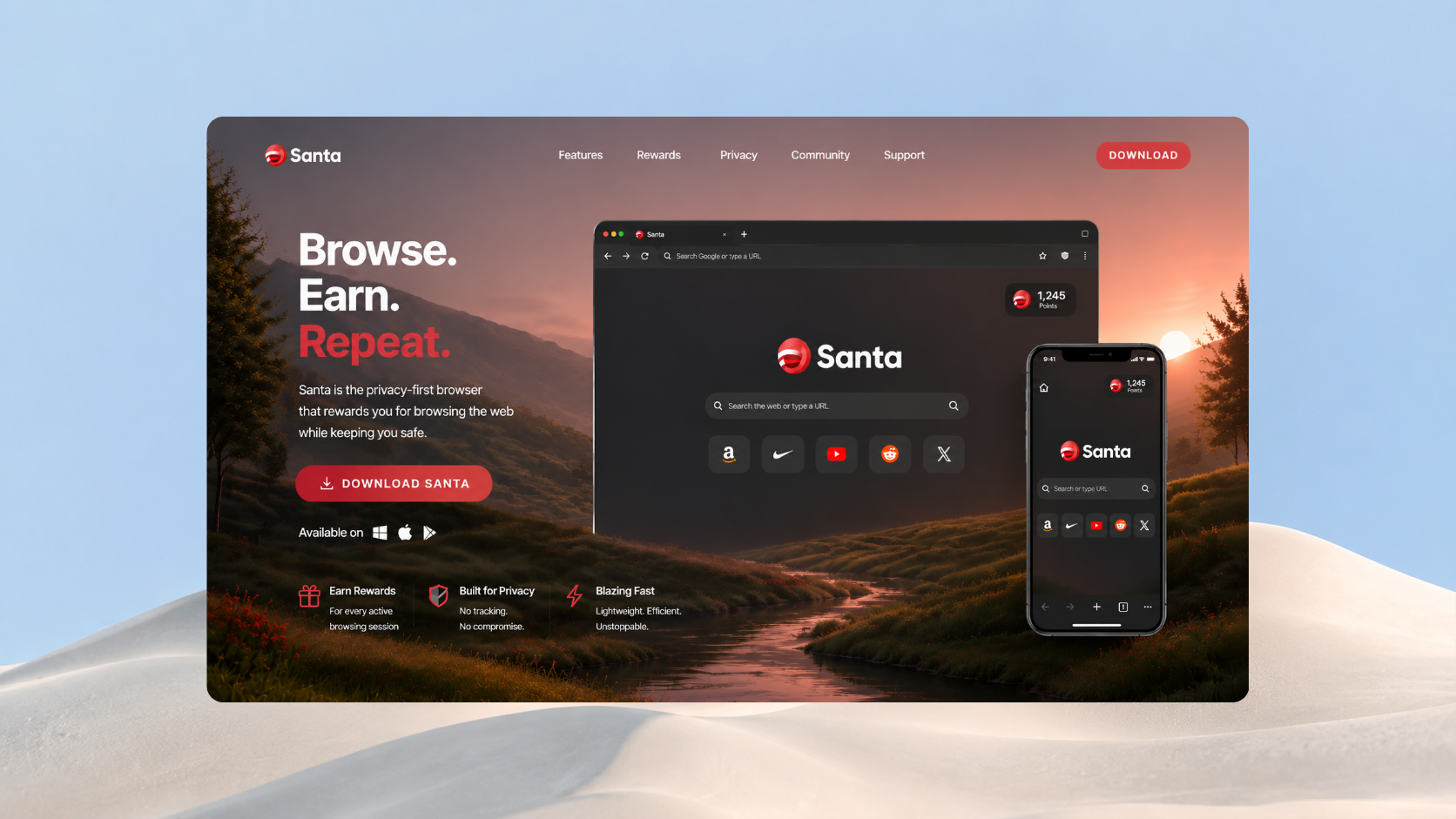
IndiaSanta Browser — Turned Everyday Browsing Into a Rewarding Experience That Drove Repeat Use and Revenue
“Built-in rewards changed the value of the browser itself. Users had a reason to stay, Santa gained a new monetization channel, and cashback became a scalable part of the business.”

Send Us the Part That Worries You Most
Whether it is an EHR integration that only works for one vendor, an audit trail you are not confident could be reconstructed quickly, or medical device data arriving in formats your platform cannot parse, a short technical conversation will tell you more than a proposal document.
HealthTech Development FAQs
Tell Us What You’re Building
Share your idea, requirements, or challenge. We’ll review it and help you figure out the right next step.
He Wang
Founder at Cashbackist, Inc.